
Pool Etiquette 101: 10 Hygiene Habits Everyone Should Know
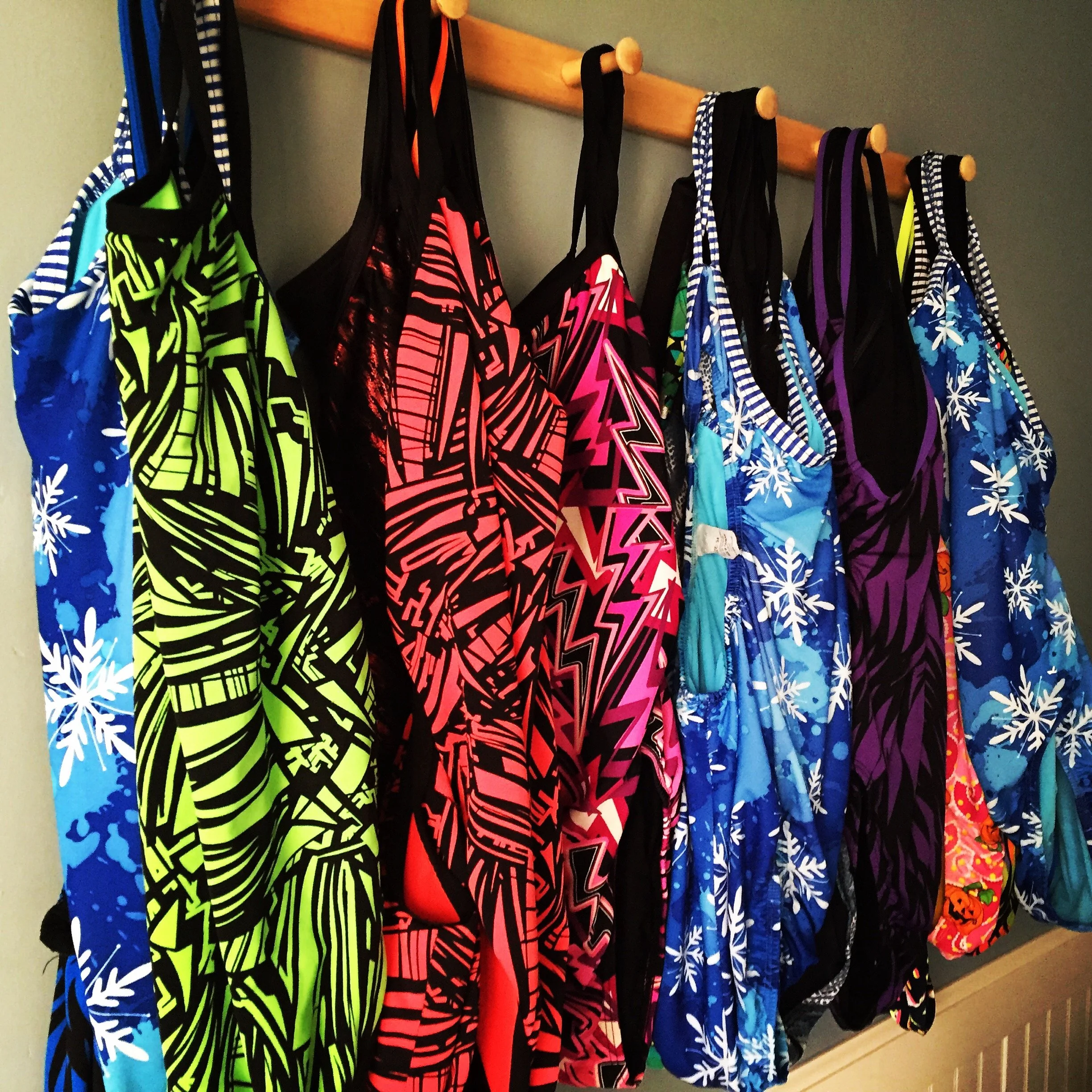
Itchy skin? Athlete’s foot? Water-borne illnesses? Clean, healthy pool water starts with YOU!
“But I just showered at home…”
“But it’s just allergies, I’m not really sick…”
“But I think it was food poisoning, not a stomach bug…”
“But it’s just a little cut. It doesn’t need to be covered…”
“But I only wore these water shoes from the parking lot to the pool; they’re not really that dirty…”
We’ve heard it all.
We’ve spent years teaching our clients about the importance of good pool hygiene, and yet, when we shared a TIME magazine Instagram post about this very topic a couple weeks ago, our clients admitted to finding the information “surprising.”
Our pool policies and procedures were created to maintain healthy pool water and to keep our clients safe. Obviously, we would save a lot of water if we didn’t require the pre-workout shower. We would make more money if we let sick people take classes. And we’d save time if we let everyone wear street clothes and shoes into the pool. But it will ALWAYS be worth the time, money, and any inconvenience to take care of our pool water.
Whether you’re taking classes at Anderson Aquatics, taking a dip in your backyard pool, or visiting another community aquatic center, these 10 simple pool hygiene tips can help keep you - and everyone sharing the water - healthy and happy.
1.Don’t skip the shower. Rinsing off before entering a pool removes sweat, body oils, perfume, deodorant, makeup, flaky dry skin, tar (you know, if you’ve been to the beach recently in Santa Barbara), old Band-Aids, hair care products, and any “traces” you carry from the bathroom (yes - gross… but even grosser if you bring it into the pool). Not only is this best for the water, but it’s actually good for your skin, too. Here’s why:
Sweat, body oils, urine, and skin care products combine with chlorine to create “chloramines” (also called combined chlorine). Combined chlorine is what’s responsible for that classic chlorine smell, itchy skin, and red eyes (not chlorine itself!). A particularly “smelly” pool doesn’t necessarily mean there’s a lot of chlorine in the pool, but it does mean chloramine levels are high. The really bad news - once “combined,” chlorine is no longer “free” to sanitize against true germs, and maintaining healthy, balanced pool water becomes even more challenging.
When you shower with cool water and enter the pool with slightly damp skin, you not only remove your skin care products that can react to chlorine, but you’ll absorb less chlorine through your skin, too. The CDC recommends a 1-minute pre-pool rinse.
2.Moisturize after, not before! If you have sensitive skin, apply moisturizer to clean, slightly damp skin — again, after your pool workout, not before getting in.
3.Don’t drink the pool water. Don’t blow your nose in it. Don’t wash your hands in it. And don’t swim when you’re sick. Chlorine is a really good disinfectant for standard germs, but it doesn’t work instantly. Here’s how long it takes to eliminate a few well-known germs in a pool with proper free chlorine levels:
E. coli (Bacteria): Less than 1 minute
Shigella / Salmonella (Bacteria): Less than 1 minute
Hepatitis A (Virus): About 16 minutes
Giardia (Parasite): About 45 minutes
Cryptosporidium / Crypto (Parasite): About 10.6 days (over 15,300 minutes)
Pseudomonas aeruginosa (Bacterium): Minutes
SARS-CoV-2 (COVID-19): About 30 seconds
4.Wear a clean swimsuit—and change out of it when you’re done. When your swim is over, change into clean, dry clothes as soon as it’s practical. A warm, damp swimsuit traps moisture against your skin and can contribute to irritation, chafing, and rashes while creating an environment where yeast and bacteria can thrive. Heading straight home to shower? A short ride in your wet suit is generally fine, but don’t make a habit of lounging around in it—especially if you’re prone to irritation or UTIs. After changing, rinse your suit thoroughly with cool, fresh water to remove residual pool chemicals, sweat, body oils, and other contaminants, then let it air-dry completely between uses. A swimsuit isn’t necessarily “clean” just because it’s been in a chlorinated pool.
5.Wash (and dry!) your feet. Athlete’s Foot is often associated with locker rooms, communal showers, and swimming pools. To reduce the chance of getting this fungus, clean your feet with soap and fresh water after your pool session, dry your feet (especially between the toes!) thoroughly, and put on clean dry socks. Avoid sharing towels, and consider wearing sandals or shower shoes when on deck or in the restrooms.
6.Don’t use the pool as a toilet. Sounds obvious, but a 2019 national survey found that 40% of adults admitted to peeing in the pool (yikes!). While urine is technically sterile, the concern is what happens when it interacts with chlorine. Just like skin care products, urine combines with chlorine to create chloramines – a potential cause of dry, irritated skin and stinging eyes. More combined chlorine also means less free chlorine for disinfection. So - use the restroom when you arrive, and take a mid-swim break if necessary, but please don’t pee in the pool.
7.When in doubt, stay out. Feeling sick? Stay home. Respiratory illnesses like the flu, COVID-19, RSV, and the common cold aren’t spread through properly disinfected pool water—but they can still spread when you’re spending time in close proximity to others. Have diarrhea? Wait 2 weeks. That’s right, the CDC recommends waiting 2 weeks after diarrhea STOPS (not 2 weeks after it starts or after you feel better) before using a pool. Cryptosporidium, one of the most common causes of recreational water illness, is a parasite spread through fecal contamination—and it can survive for over 10 days in a properly chlorinated pool.
8.Don’t wear your water shoes to the pool. Would you take a bath in the shoes you’ve worn through a parking lot or the backyard? The pool should be no different. Bring your clean water shoes to the pool and take them off when you’re done with your workout.
9.Cover all wounds with a secured waterproof bandage. Pool water is treated, but it’s not sterile. Bacteria and small microorganisms can still be present (see #3!), and broken skin provides an easier route for infection. If a wound is actively bleeding, draining, infected, or can’t be fully covered, skip the pool until it has healed.
10.Don’t forget to wash your water bottle! Reusable water bottles need regular cleaning, too! Every sip introduces bacteria from your mouth and hands, and a damp bottle provides an ideal environment for bacteria, yeast, and mold to grow. Empty and wash your bottle with hot, soapy water after each day of use, paying extra attention to the lid, straw, mouthpiece, and any little crevices where buildup can hide. Then let all the pieces dry completely before putting it back together.
There you have it - 10 simple habits that can keep you and your fellow pool-goers healthier and happier. Most of it comes down to one thing: what we each bring into the pool matters. And hey, sometimes it takes TIME magazine to say it before everyone believes it - but we know a thing or two about pools, too. When it comes to water fitness, pool health, and keeping you safe in the water, you can trust us. We’ve got you!
Content provided on this website is for informational and educational purposes only; it does not constitute providing medical advice or professional services. Always seek the advice of your physician regarding your health conditions and prior to initiating an exercise program.